Ray O’Reilly - KOS Outdoor meetings organiser- writes:-
‘On Wednesday June 10th,a Kent Ornithological Society field outing took place at Dungeness.
We began with a sea watch on the beach, although the sea was fairly quiet. However, the group did view two Gannets, two Mediterranean Gulls and five Common Terns.
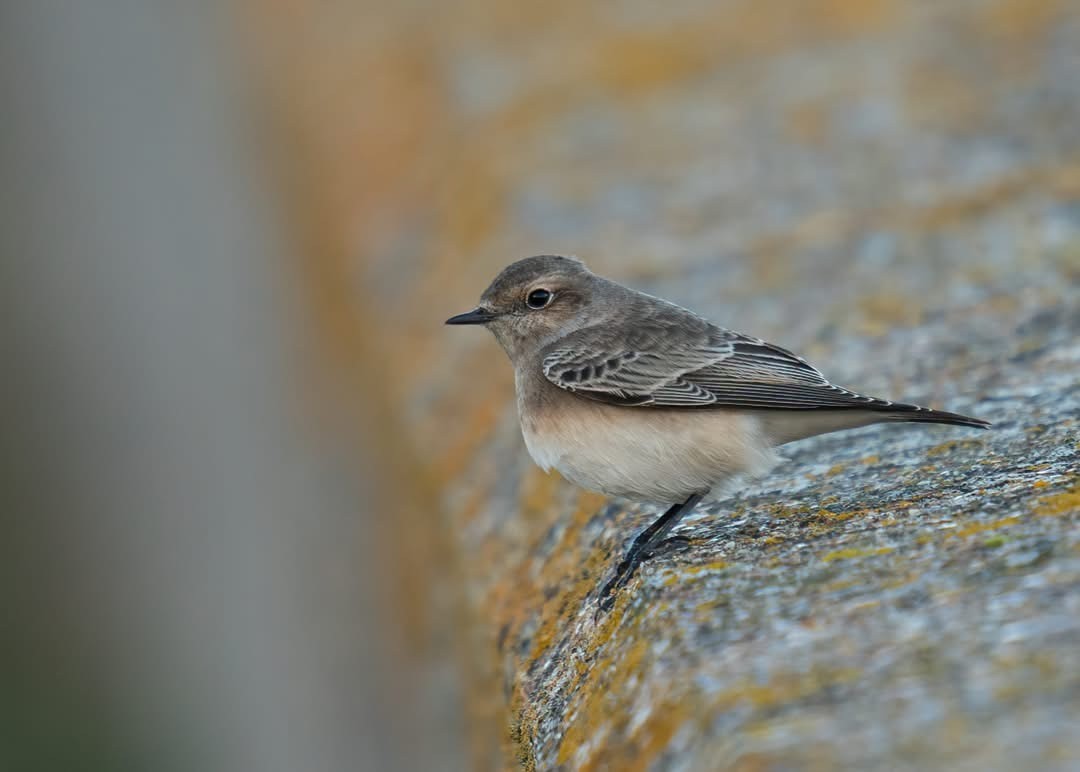
Looking backwards at the land from the sea watching location, the redundant nuclear power station site yielded a singing Black Redstart and a smart Peregrine Falcon.
We then headed to a nearby gravel pit, where we watched a pair of Little Ringed Plovers with chicks - a wonderful sighting. They were close to a pair of Common Ringed Plovers,which gave us a perfect opportunity to compare both species - always a birders’ challenge. Young birds proved to be a feature of the visit, includingMute Swan Cygnets, and a variety of Goslings and Ducklings. A few waders/shorebirds were also present,including an unseasonal flock of 25 Eurasian Curlew.
Our next stop was at the ARC Pit, opposite the RSPB Reserve main entrance, where we visited the hide and walked the Willow Trail watching Eurasian Hobbys hunting dragonflies.There were up to six bird seen as well as three Western Marsh Harriers. In addition,we also recorded Four-spotted Chaser, Emperor, Common Darter, Azure and Blue-tailed Damselflies on the Odonata front.
The area just inside the entrance to the RSPB Reserve called Cook's Pool has had a lot of work carried out there with a scrape and predator fence included, and was our next stop.Here we saw six Western Cattle Egrets in full breeding plumage complete with plumes, buffy-crests and crimson-bills.
The wind picked up throughout the day and around ahundred plus Common Swifts, Western House and Sand Martins with a few Barn Swallows were hawking insects low over the pools
Lunch was taken in the RSPB visitors’ centre where we watched a lengthy rain shower of biblical proportions! Our wet, blustery afternoon produced several smart Common Gulls in breeding dress, Pied Avocets, a stripey-headed juvenile Little Grebe and two Bearded Tits.
Our next outing is on Wednesday July 22nd 2026. Any members wishing to attend please message me on 07831-362502’
Kent Birding – Highlights of the Week – 11 June 2026
Best bird of the week was a Zitting Cisticola discovered at Bockhill on the morning of the 11th. It was singing and showing well for 1.5 hours before flying off north. Formally still a mega, this being only the 8th record for Kent, it is becoming more regular, with four records in the past two years. Will it become a breeding bird in Kent in the near future?
With strong westerly winds on the 6th, sea-watching was good. Dungeness recorded 324 Manx Shearwater, 8 Balearic Shearwater, two Puffin and two Arctic Skua that day. Other watch-points around the Kent coast had to do with less, but small numbers of Balearic and Manx Shearwater were seen, while two late Merganser were at Foreness. Sea-watching was quieter later in the week, but a Common Quail flying in off the sea at Dungeness on he 9th was an unusual surprise. Further Common Quails were heard singing at Elmley and, again, at Bockhill. Other highlights included a Bee-eater heard over Bockhill on the 11th, the Red-footed Falcon still at Worth on the 5th and a Golden Oriole reported from Pegwell on the 7th.
Please read below Ravi's personal account of last year's MigFest at Spurn where he won the Martin Garner Young Birder of the Year Award:
My name is Ravi Grewal, I am a young birder and trainee ringer based in North Kent with a focus on the Hoo Peninsula. During Migfest 2025, I was fortunate enough to experience and go on to win the Martin Garner’s Spurn Young Birder of the Year (MGSYB) competition in the senior age group category (14–16). It was an incredible opportunity that challenged my bird identification skills and general knowledge, and introduced me to an inspiring community of birders I had never experienced before.
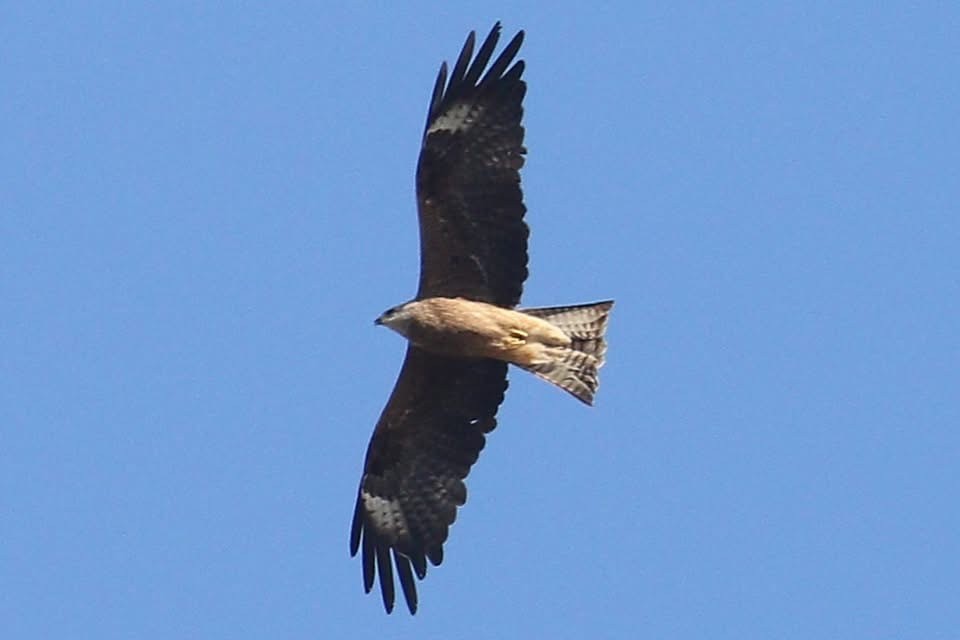
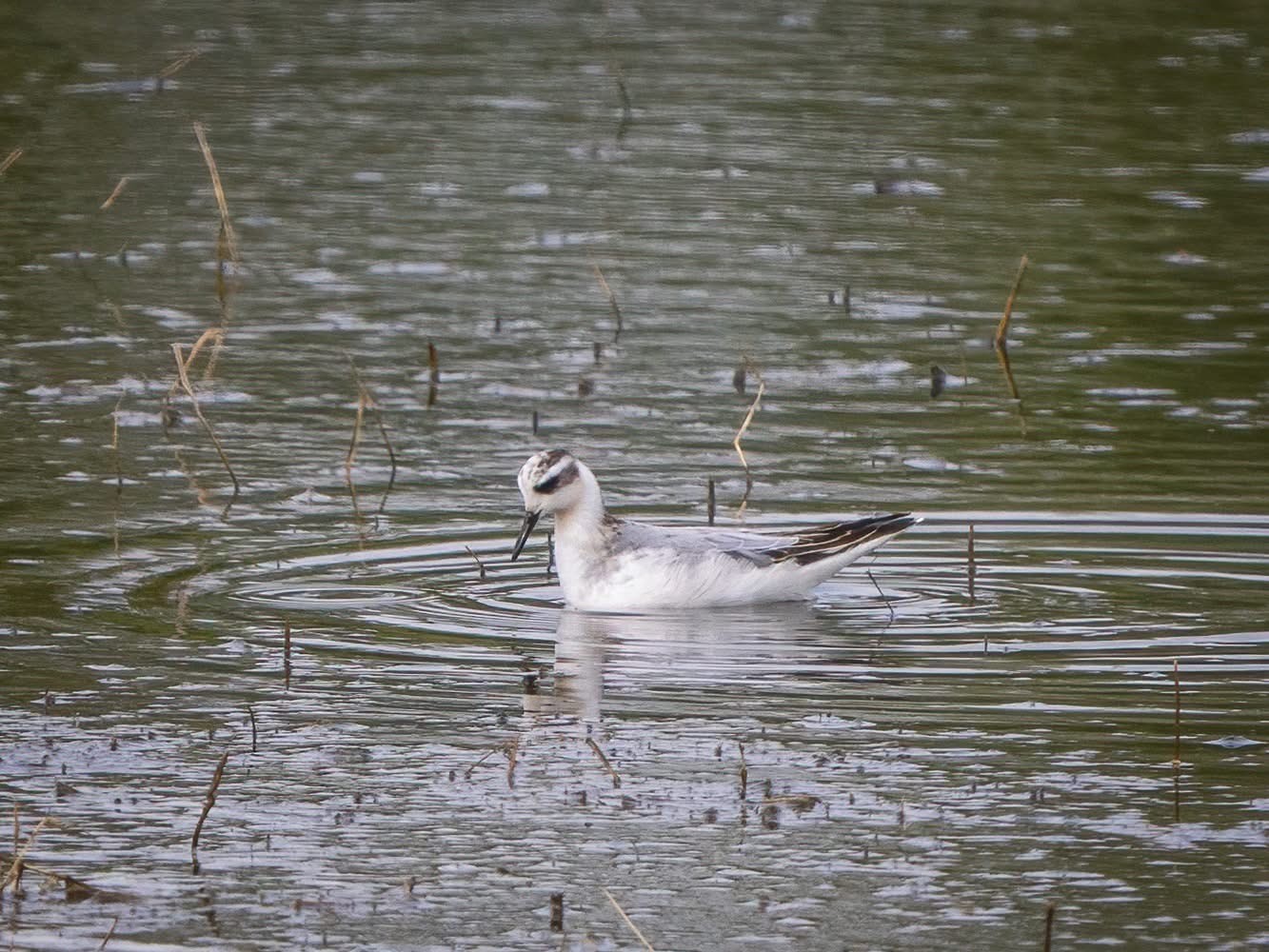
After an absence of 10 years, a second Greenish Warbler for the spring was a nice surprise. It was found on the 3rd at Langdon Hole and seen on-and-off during the day. Another good bird was a beautiful female Red-necked Phalarope at Cliffe Pools on the 1st. Unfortunately it was only seen by a single observer and could not be refound the next day. An Icterine Warbler was found singing at Bockhill on the 29th. A significant movement of Red Kites on the 31st along the east and north coast was another highlight. At some locations 150 could be counted in a relative short period of time. This movement is an annual event and seems to involve wandering sub-adult birds from the UK population. The day before there was a more modest movement, but it included a Black Kite which was seen throughout the morning in the South Foreland/Bockhill area.
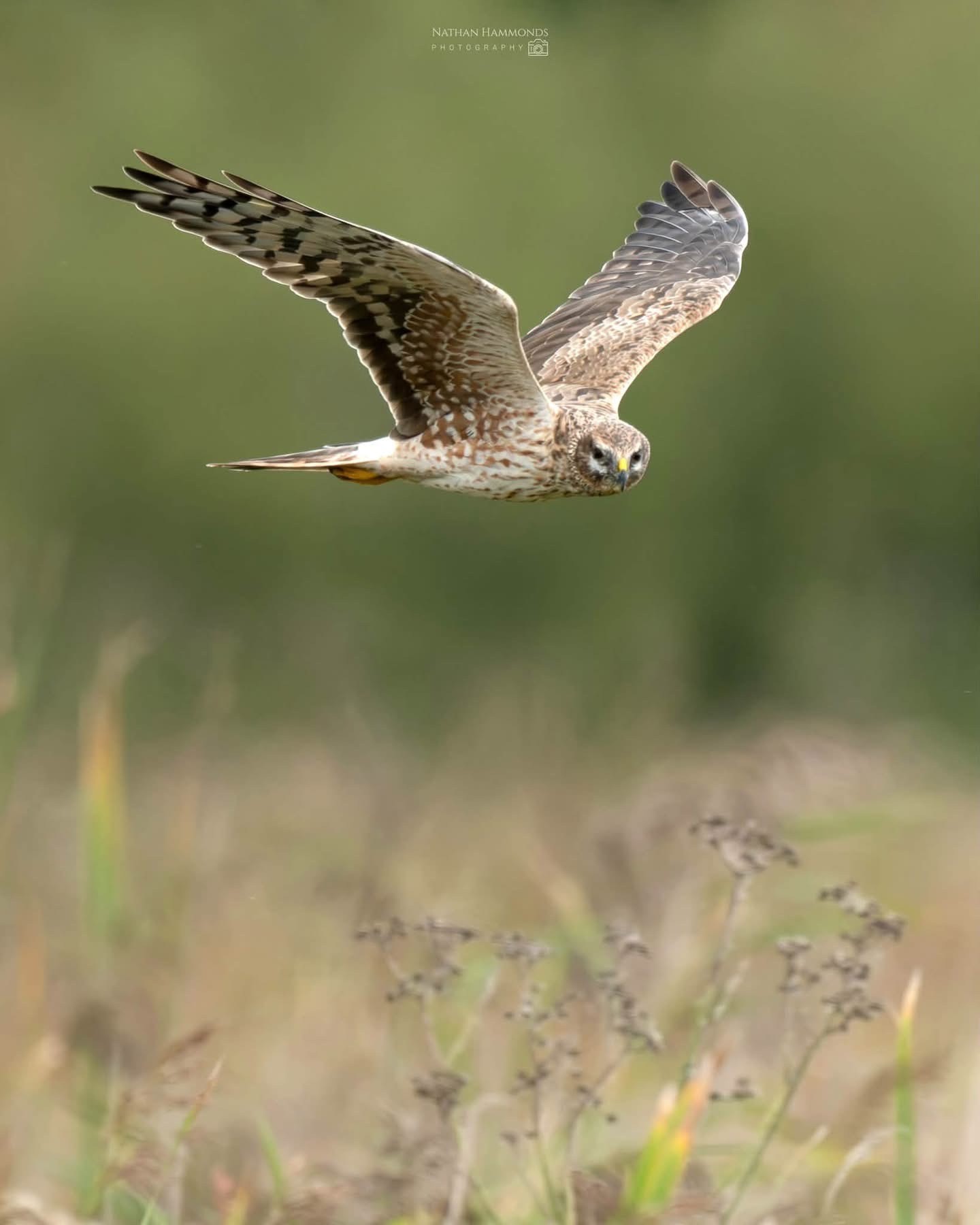
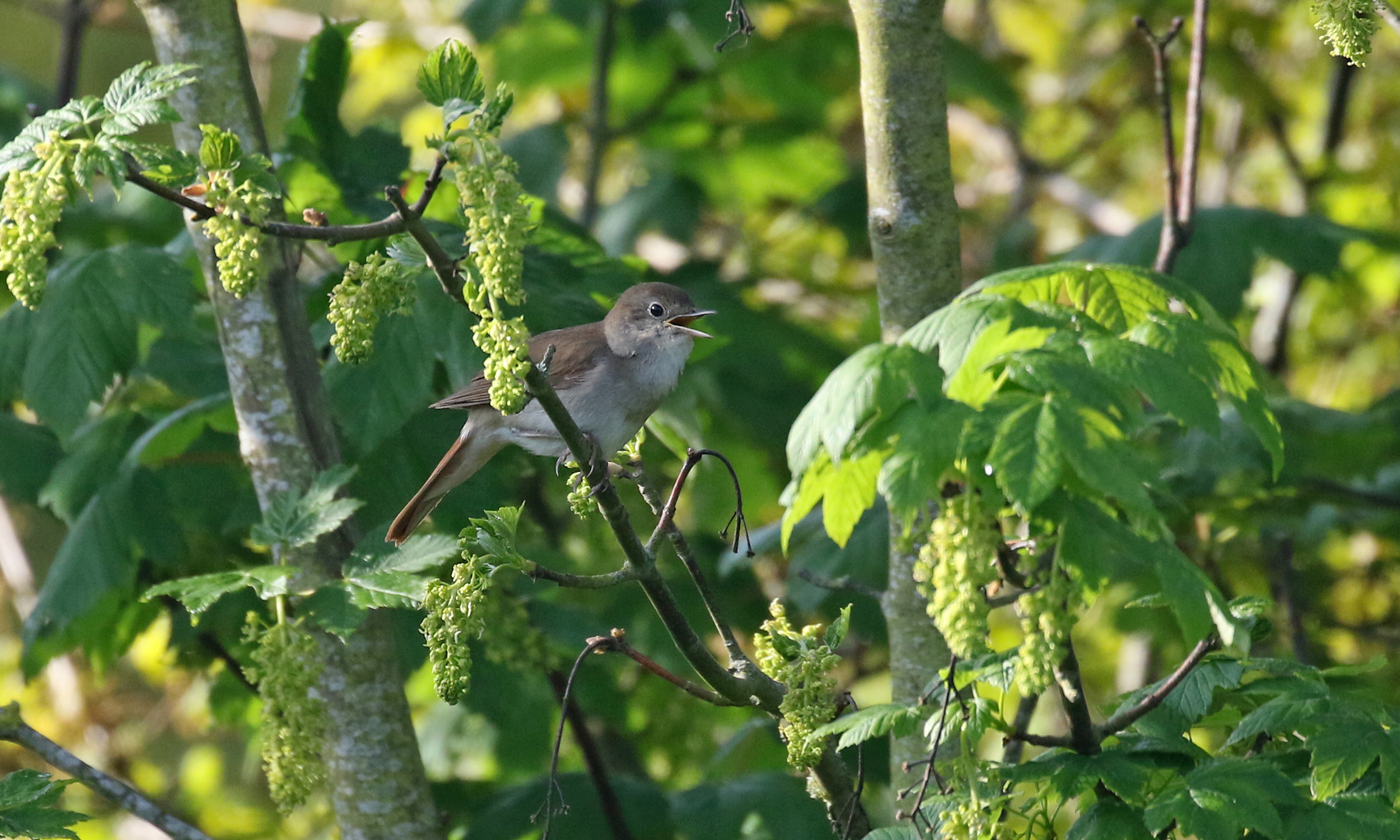
The warm weather and calm easterly winds brought many scarce birds to Kent. The best was a Greenish Warbler in the Trapping Area at Dungeness on the 24th. It was singing and showing well throughout the day. This is the 27th record for Kent and, surprisingly, only the first since 2016. There was a very nice support cast throughout the week. One of the highlights was a mini-influx of Golden Orioles, with 7 heard/seen in total across the county, including two singing males together at North Foreland. There were also several Bee-eaters, with two a few hours at Dungeness on the 24th the most accessible, but others included a group of 12 over St Mary's Bay on the 26th, four over Worth Marshes on the 23rd and a single at Bockhill. A female Montague's Harrier spent an afternoon at Dungeness on the 27th.
In general it paid to look skywards as several other good birds were only seen flying over: a nice immature male Montague's Harrier over Blean Woods on the 25th, a Hoopoe over Tenderden on the 26th, a Red-rumped Swallow over Langdon Hole on the 25th and a female Red-footed Falcon out to sea at North Foreland on the 27th.
As warmer weather finally arrived on the 21st, so did some good birds! Best of the bunch was a singing Red-breasted Flycatcher in the Moat at Dungeness which showed well throughout the day. This species is seen almost annually in Kent, but spring records in particular remain rare. Other good birds on the 21st included single Bee-eaters over Bockhill and South Foreland, a Purple Heron at Stodmarsh, a male Golden Oriole at North Foreland and a Honey Buzzard flying along the coast in the northeast of the county.
There was also some encouraging news from the WeBS survey in the Medway. While the 2025 breeding season was disastrous for gulls and terns, and the recent April survey showed very small numbers, in May there were good size colonies found across the islands with 30 Little Terns, 320 Mediterranean Gulls and 100 Sandwich Terns.
A little reminder that this Sunday - May 17th - there is the KOS Open Day at Dungeness RSPB Reserve 10.00am - 4.00pm - Join Us!
Red-backed Shrike - Nigel Jarman
A lovely male Red-backed Shrike at Hope Point, Bockhill, was the highlight of the week. It showed well throughout the day on the 10th. A Savi’s Warbler was discovered on the 9th at Lampden Wall, Stodmarsh. It can be heard singing, but due to it being in reeds behind bushes it is very unlikely to be seen (please remember this is considered a potential rare breeding bird). Further highlights were a group of three Temminck's Stints at Dungeness RSPB on the 9th and 10th, a Golden Oriole signing at North Foreland on the 12th and a Red-footed Falcon still at Worth in the early part of the week.
This Sunday - May 17th - KOS Open Day at Dungeness RSPB Reserve 10.00am - 4.00pm - Join Us!
This coming Sunday - with the kind permission of the RSPB - we are hosting a day about KOS - what we do, who we are and what we are about.
We will be displaying information, offering membership, as well as help with bird identification around the historic and nationally important Dungeness RSPB Reserve. We hope that current members will take the time to come to "Dunge" to meet other members and generally enjoy a few hours in one of the UK's premier birding spots. The joy of birding - who knows what will turn up?
We shall be there from 10.am until 4.00pm and hope members will bring friends and pass on the news of this KOS one day event.
There is no charge for attending this event.
I hope to see many of you this Sunday!
Best wishes
Andre
Andre Farrar - KOS Chair
Kent Birding – Highlights of the Week – 7 May 2026
As to be expected in early May, it was a busy week in terms of scarce birds! The best bird of the week was an Iberian Chiffchaff found singing in the trapping area at Dungeness in the early morning of the 4th. It settled at the top of Long Pits where it sang all day and showed well occasionally. This is only the 7th record for Kent. Another very good find was a Gull-billed Tern, seen and photographed by a single observer past North Foreland on the 30th. Several Red-footed Falcon were seen during the week, a 1st summer female was on show at Stodmarsh on the 1st, one flew over North foreland on the 2nd, while a female was at Worth from the 3rd. Temminck's Stints were at Dungeness (on the 2nd and 3rd) and at Worth Marshes on the 2nd. An European Bee-eater flew over Pegwell Bay on the 2nd, while a Black-crowned Night Heron was sound recorded during the middle of the night over Bishopstone Glen. A Hoopoe spent a couple of days in an, unfortunately, undisclosed site near Rochester. A single Glossy Ibis was at Dungeness on the 2nd, while seven flew over the ARC on the 7th.
The Kent Ornithological Society was founded in 1952
Our aims are to record and monitor the county’s bird life providing both an accurate historical record of Kent’s birds but equally importantly providing data that can be used to help protect valuable habitats from development and other threats.
In doing this, we seek increase knowledge and understanding of birds and their habitats in the county and encourage and support people seeking to take up birdwatching as a hobby.
Membership of the society is open to all and costs £15 a year. Members receive a free copy of the annual Kent Bird Report and regular electronic newsletters. See details
The Society runs regular online talks and an outdoor programme of field meetings. They are opportunities for both beginners and experienced birdwatchers to meet others in the county and to develop their knowledge and skills.
We are a charity regulated by the Charity Commission registered as charity number 212489.