 Kent Ornithological Society
- Details
- Peter Eerdmans
- Weekly highlights
Please join in during the Big Kent Bird Migration Day this Sunday, 27 September
See below for details
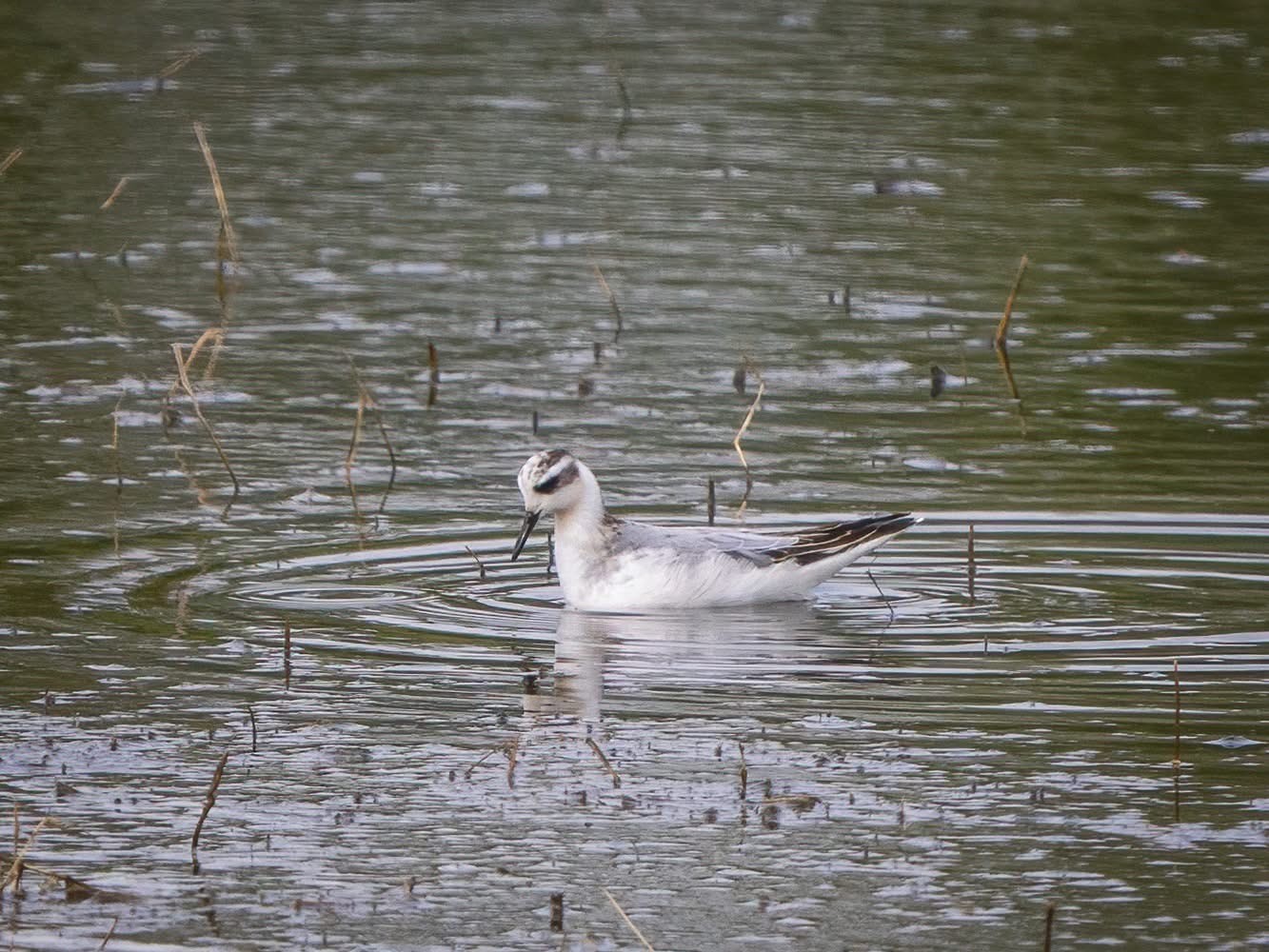 Grey Phalarope - Terry Laws
The first Yellow-browed Warblers of the autumn arrived on the 21st, always a lovely milestone. One was at Dungeness, one at Bockhill and one in King George IV Park. A Glossy Ibis, a scarce bird so far this year in Kent, was at Dengemarsh on the 23rd and 24th. A possible Western Bonnelli's Warbler was reported from Seasalter on the 23rd, but unfortunately was quite elusive. A 1st-winter Grey Phalarope at Snodland was a lot more cooperative showing well on the 19th and 20th. A Red-necked Phalarope, probably a different bird than earlier in the autumn, made a one day appearance on the south side of the ARC, Dungeness on the 20th, while the White-winged Tern was still seen at Dungeness on the 19th. A juvenile Pectoral Sandpiper found on the 18th at Bough Beech was a good inland record. It stayed for three days, with another at Dungeness from the 20th. A Red-backed Shrike was at Lydd army camp on the 22nd.
- Details
- Peter Eerdmans
- Weekly highlights
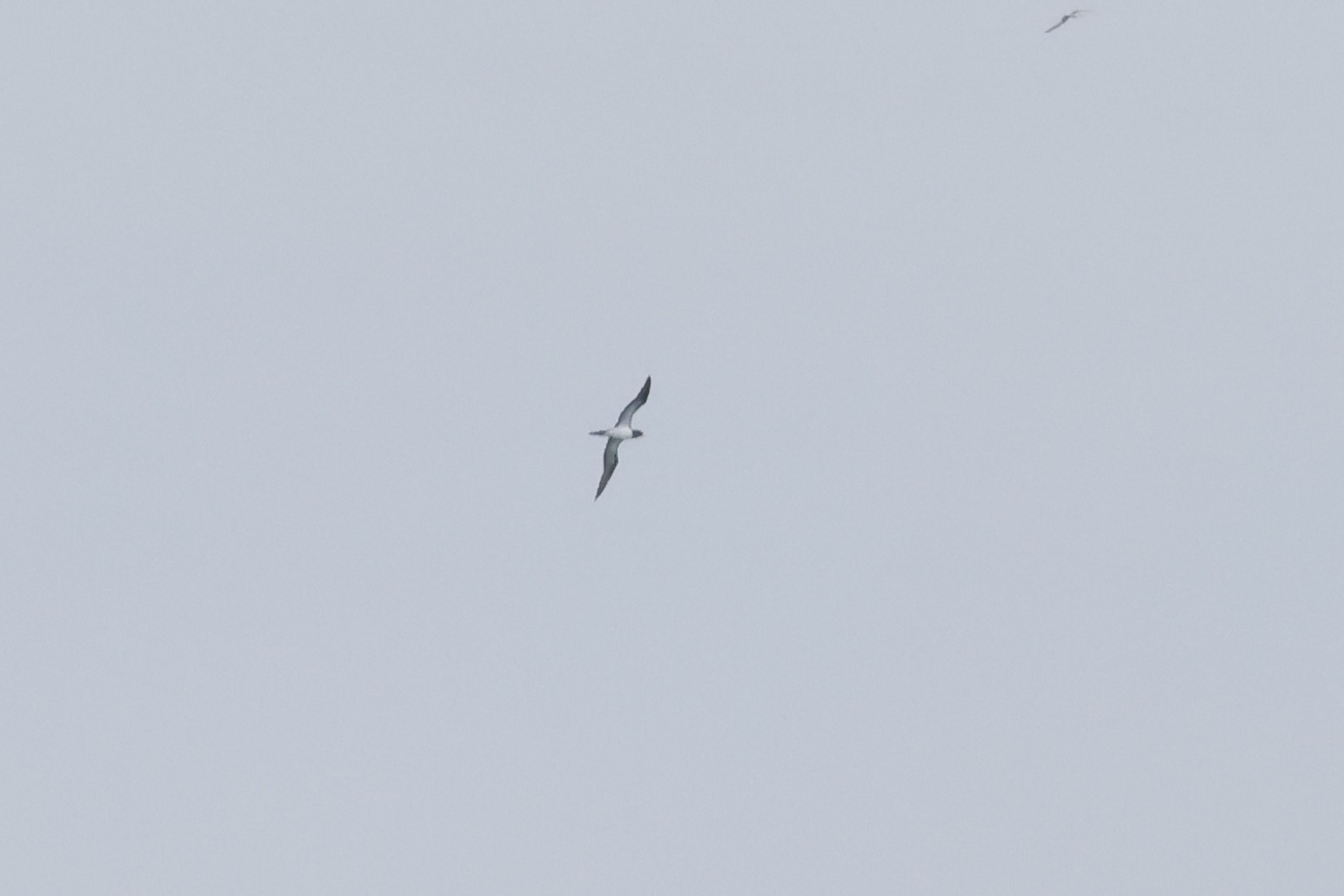 Brown Booby - Martin Casemore
Another (or possibly the same) Brown Booby was seen. This time an adult lingered for 30 minutes on the 12th off the fishing boats at Dungeness, feeding with Gannets, allowing for some of the locals to twitch it. There seems to be a mini-influx in the North Sea/Channel area. Dungeness was in any case the place to be this week. On the 14th a Western Bonelli's Warbler was found in the trapping area. It showed well on occasion and could be identified by its call. On the 15th it was caught and ringed soon after which it seems to have moved on. This is the 13th record for the county and the third in as many years. What looked like different juvenile White-winged Tern was discovered on the 14th, frequenting both ARC and Burrowes, with the previous one not seen for a few days. The Red-necked Phalarope stayed till the 15th at Burrowes, while the Wryneck was seen occasionally still at the start of the week. Furthermore, three Long-tailed Skuas (one on the 12th and two together on the 13th) and an adult Sabine's Gull (on the 11th) flew past during the week.
- Details
- Peter Eerdmans
- Weekly highlights
 Brown Booby - John Carnell
Bird of the week was an adult Brown Booby that flew past North Foreland on the 6th, seen and phographed by one of the dedicated locals. If accepted, this will be the fourth record of this species in Kent. It was a busy week in terms of scarcities. A Red-necked Phalarope was discovered on Burrowes at Dungeness on the 9th, while a group of seven Glossy Ibis flew over Stodmarsh on the 4th. Will we see a similar influx of this species as we did last year in September? A Golden Oriole is never easy to see in Kent, so a relatively showy female at Dungeness on the 6th was a nice suprise. Further highlights included a Black-crowned Nigh-heron that was seen flying along the river Darent near Shoreman the evening of the 5th, a juvenile Red-backed Shrike at Worth on the 7th, a Wryneck on the 5th and 10th at Dungeness and another flyover Dotterel, also at Dungeness on the 5th.
- Details
- Peter Eerdmans
- Weekly highlights
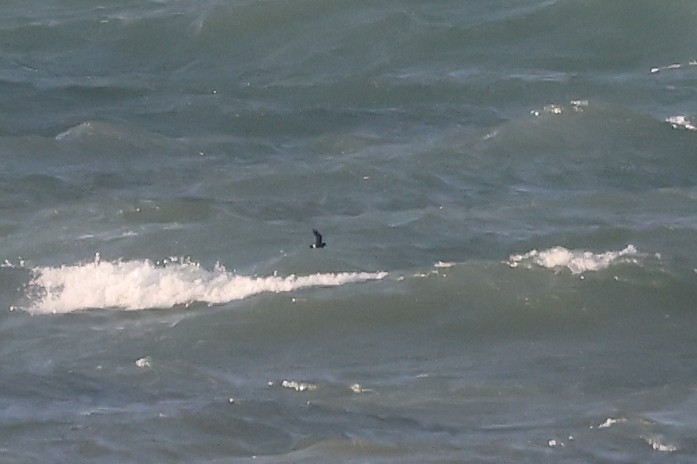 Storm-petrel - Martin Casemore
Best bird of the week was a Corncrake that was flushed twice at Abbot's Cliff on the 28th. While it is a former breeder in the county, it is a rare bird in Kent these days, with typically only one (brief) sighting every few years. Sea-watching became more prominent. Top bird was a Storm-petrel past Dungeness on the 30th. There were decent numbers of Balearic Shearwaters seen, particularly past Dungeness where 49 were counted on the 30th and 30 on the 29th. Other reports included a Sabine's Gull past Dungeness on the 31st, Long-tailed Skuas past North Foreland and Walmer and a few Pomarine and Great Skuas at the usual watch points.
- Details
- Peter Eerdmans
- Weekly highlights
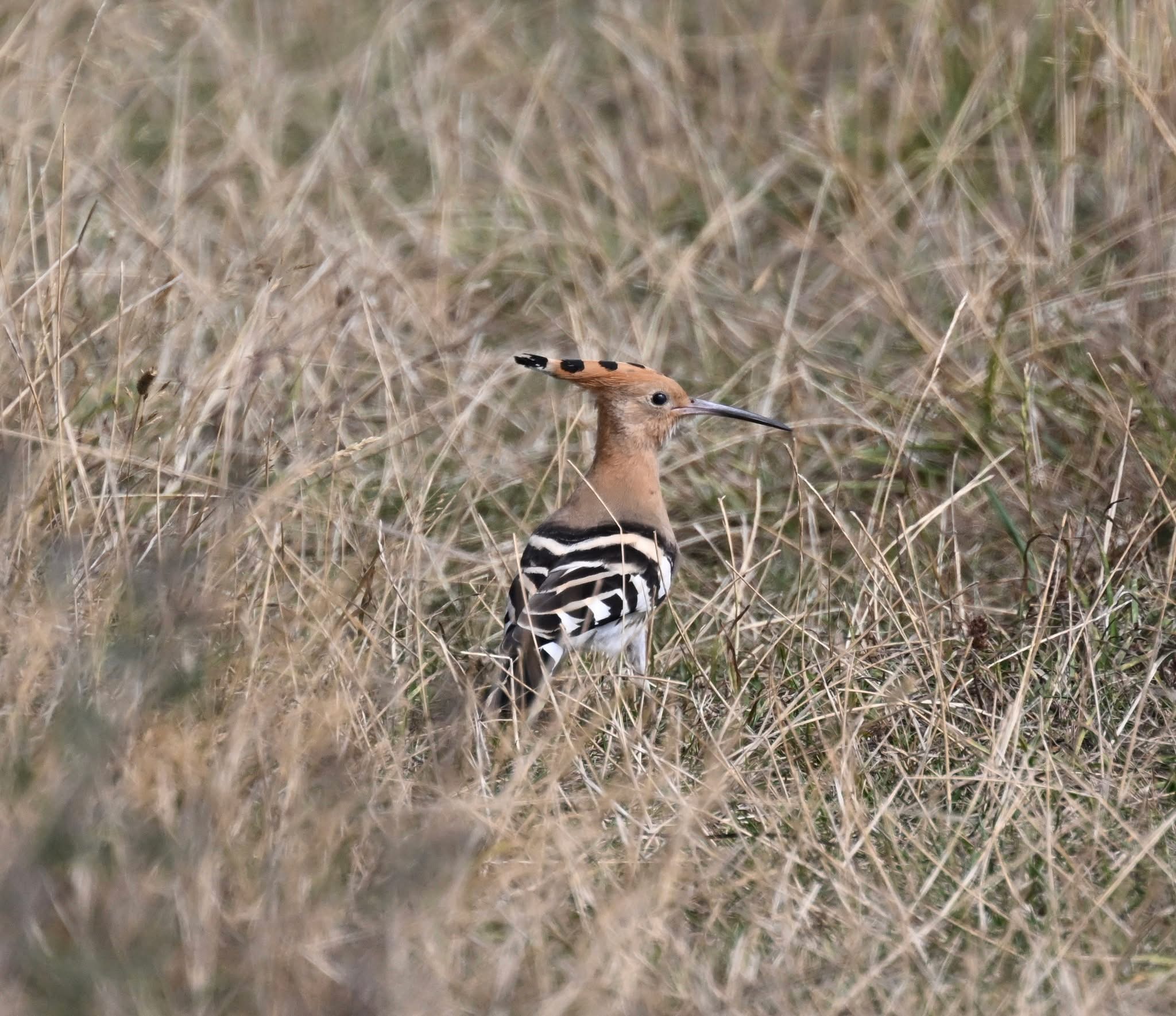 Hoopoe - Russ Blackman
There were again plenty of migrants around in Kent this week, with a Hoopoe at Abbott's Cliffe on the 26th the highlight. There were two Wrynecks, one at Dungeness on the 22nd and one at North Foreland on the 26th. A couple of Bee-eaters were seen flying over on the 21st near Dover and the 22nd at Walmer. Again several Pied Flycatchers, Redstarts, Spotted Flycatchers and Tree pipits were seen, while there was a significant fall of Whinchats, with 25+ at Sandwich on the 27th. A lovely Wood Warbler was at Dungeness on the 22nd.
- Details
- Peter Eerdmans
- Weekly highlights
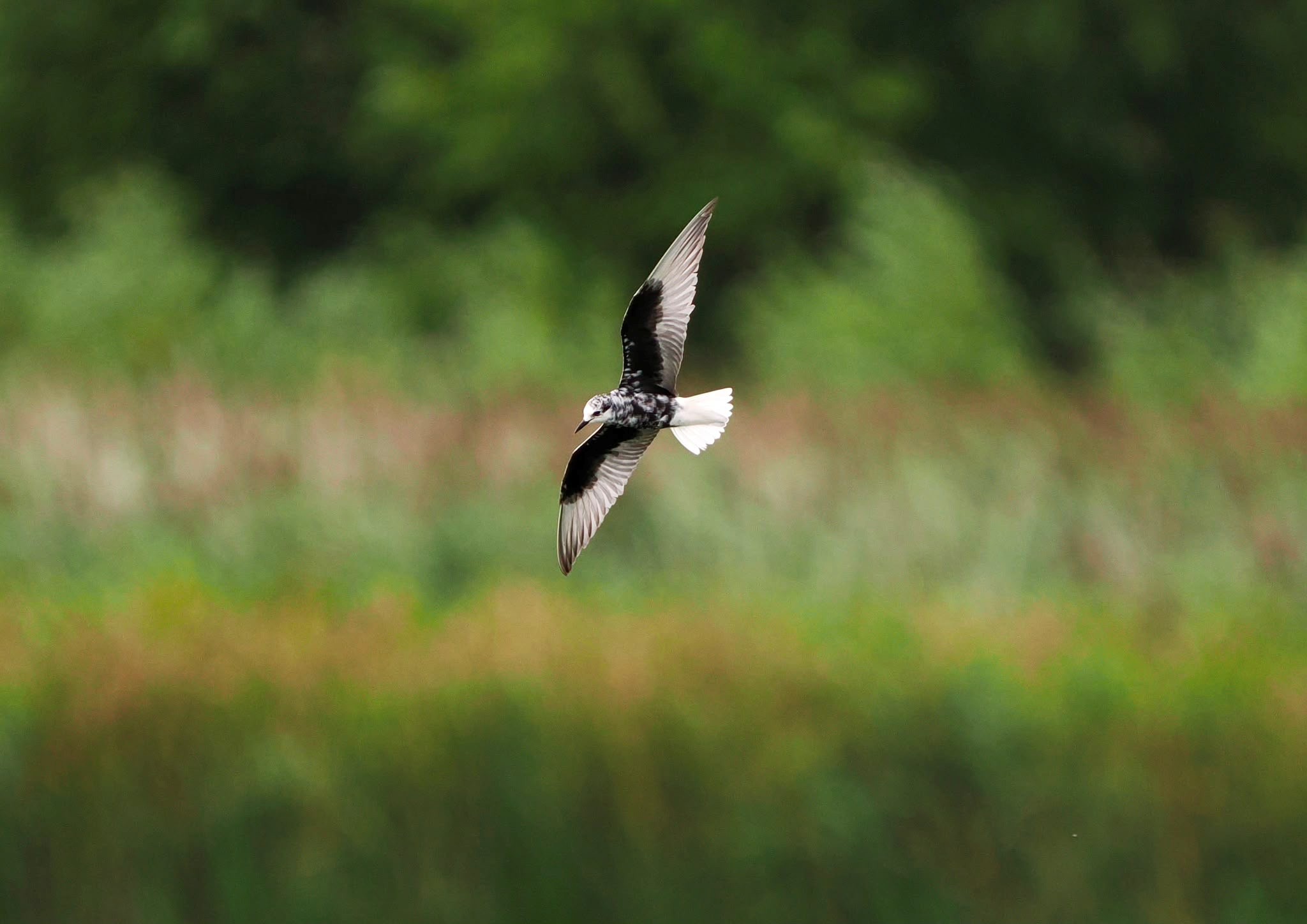 White-winged Tern - Barry Wright
There were plenty of scarce birds to enjoy this week in Kent. A moulting adult White-winged Tern was found on the 15th at Stodmarsh and stayed in the area all week, at times showing really well. Then the next day another White-winged Tern was discovered, this time a juvenile at Dungeness, coinciding with the KOS Family Bird Day there. It too stayed for multiple days and could be viewed from the Firth viewpoint. Other scarce birds were a Stone-curlew seen only briefly at Pegwell Bay on the 15th, an at time elusive juvenile Purple Heron at Stodmarsh also from the 15th and a juvenile Red-backed Shrike at Worth from the 17th.
- Details
- Peter Eerdmans
- Weekly highlights
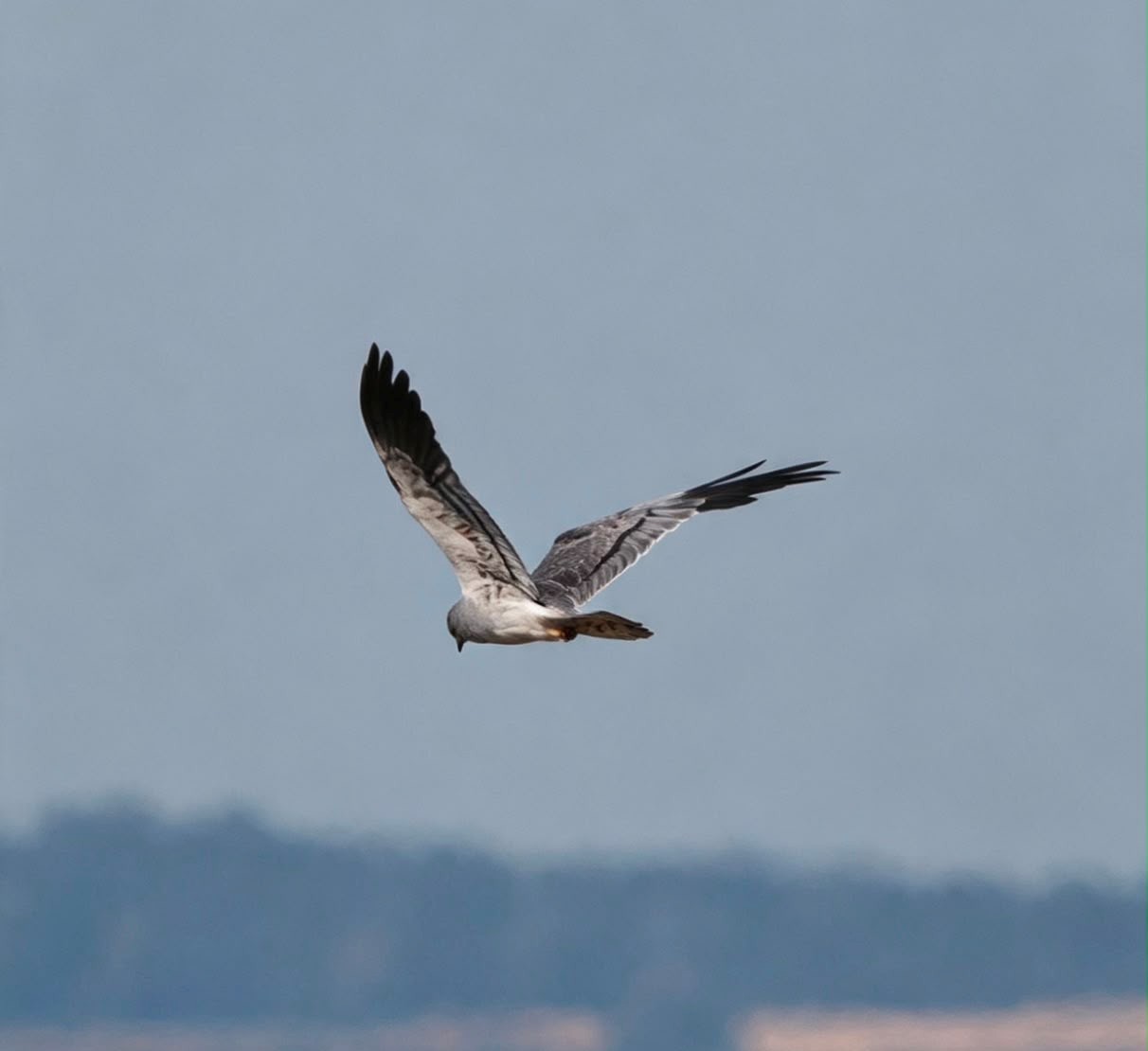 Montagu's Harrier - Barry Wright
A male Montagu's Harrier was discovered at Galloways in the Dungeness area on the morning of the 8th. It stayed in the area for most of the day, but unfortunately spent most of its time in West Sussex after the inital sighting. Another good bird, also at Dungeness, was a Roseate Tern which was roosting with Sandwich Terns on the beach off the Lifeboat Station on the 7th. As often, it only stayed briefly.
- Details
- Peter Eerdmans
- Weekly highlights
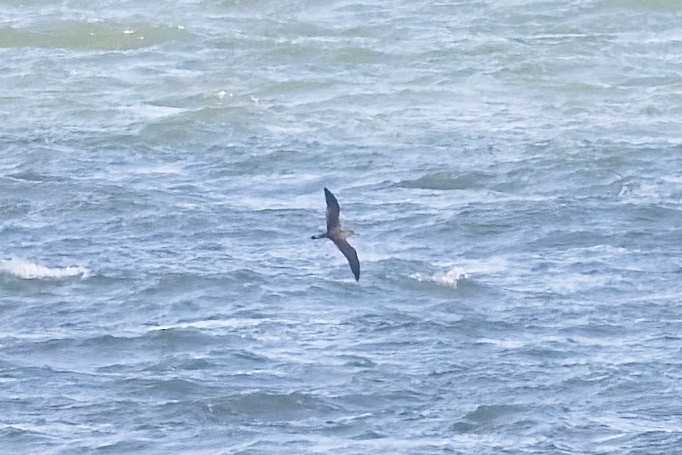 Cory's Shearwater - Kenton Evans
Bird of the week was a Cory's Shearwater that flew past Foreness Point on the 31st. In general sea-watching has been very quiet during July, so this was a very nice reward for the locals persisting with their (near) daily seawatches. It flew east in its typical leisurely fashion, allowing for some photos to be taken clinching the identification. At Oare the White-rumped Sandpiper continued to frequent the small channel of water left in the middle of the East Flood, while the Bonaparte's gull could be found in the vicinity or on the mudflat east of the slipway. One birder had a red-letter day at Sandwich Bay on the 5th: first he saw a Black Kite fly-over and then later, with a group of birders, had a Red-rumped Swallow over the Quay. The second Pectoral Sandpiper of the year was found at Cliffe Pools on the 5th and was still there on the 6th although it could be elusive.
- Details
- Peter Eerdmans
- Weekly highlights
 White-rumped Sandpiper - Peter Eerdmans
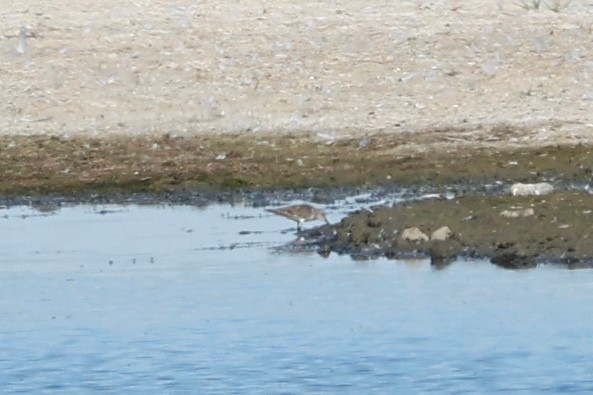
Another intriguing raptor sighting this week following last week's possible Long-legged Buzzard. On the 24th a falcon with dark upper wing, a barred, almost sandy-coloured tail, powerful, long wings and a 'contrasty' underwing was seen coming off the sea at North Foreland, pointing to an Eleonora's Falcon. Unfortunately the sighting was only brief and no photos were obtained. There has only been one accepted record of Eleonora's Falcon in Kent, the widely watched individual at Worth in May 2022. A more cooperative albeit distant bird was an adult White-rumped Sandpiper discovered at Oare Marshes in the early morning of the 29th. It was still present throughout the day on the 30th. It seems likely this is a returning bird, as last year there was one from 28-30 July at Oare. Although near-annual in recent years, it remains a rare wader for Kent.
- Details
- Peter Eerdmans
- Weekly highlights
 Gull-billed Tern - Peter Eerdmans
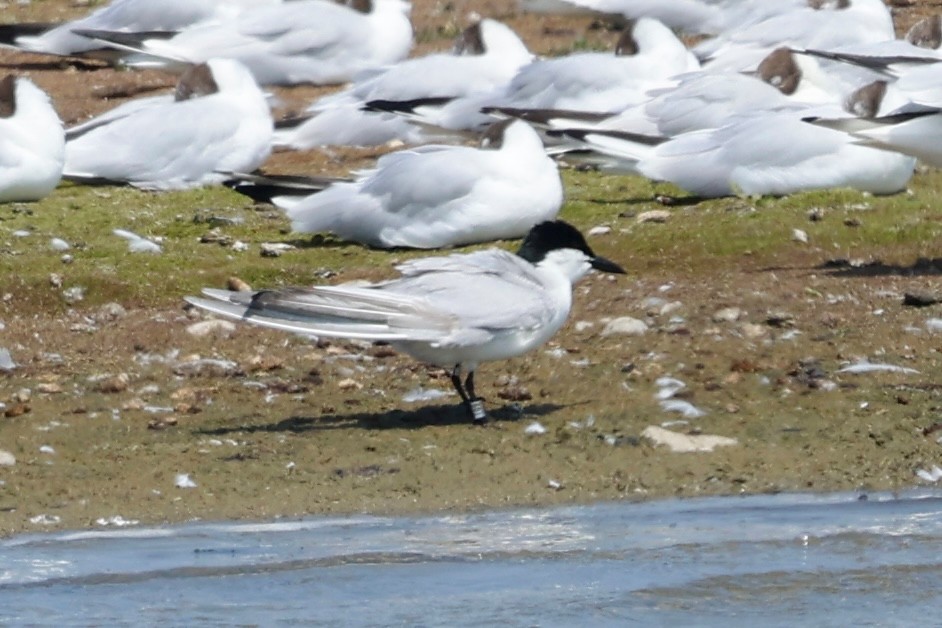
A very interesting week in Kent birding. Bird of the week was an adult Gull-billed Tern discovered at the ARC, Dungeness, around midday on the 17th. Unfortunately it was only present for a few minutes before flying off to the south-east corner of the ARC, where it could not be refound. The bird was wearing a white colour ring, which indicates it comes from a German ringing scheme. While still a BBRC-submission species, it is getting more regular in recent years, with this being the second for Kent this year. The Gull-billed Tern could have easily been eclipsed by a much rarer bird this week, but a possible Long-legged Buzzard seen for 5 minutes over Worth Marshes on the 19th could not be confirmed. Long wings and shape alerted the observer, but unfortunately no photos were obtained. This would be a new bird for Kent. The Bonaparte's Gull remained at Oare, where a Long-tailed Skua fly over was a nice surprise on the 17th.